Return-to-Office Mandates Are Really Layoffs
Return-to-office mandates are a sneaky way for companies to force you out without the cost of severance—an unfair corporate tactic.

YoureHired Team
all
 Listen to Article
Click play to start listening
Return-to-Office Mandates Are Really Layoffs
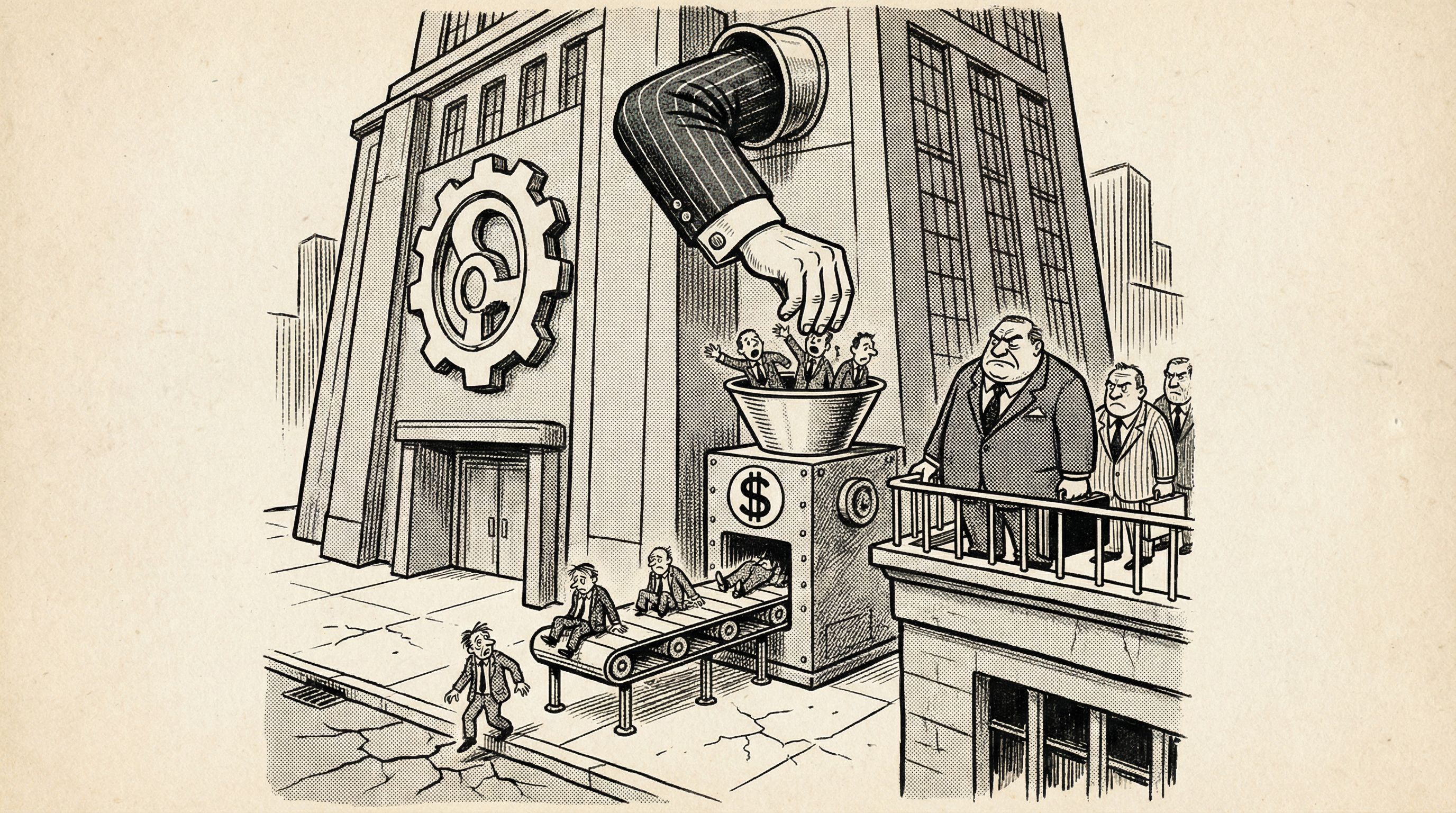
Return-to-office (RTO) mandates are cleverly disguised layoffs. It's a playbook some companies are using to shrink workforce numbers without paying severance. If you think this isn't deliberate, let me walk you through why that's wishful thinking.
What's Actually Happening
Here's the rundown: Companies like Google and Amazon are loudly banging the RTO drum, insisting workers get back to their desks, and conveniently overlooking the fact that productivity didn't tank when folks were working from home. So why the sudden urgency to return? It's simple. Many companies know that forcing employees who have adapted to remote work back to the office will naturally result in resignations. This is especially true for employees who moved to more affordable locations or those who took on caregiving responsibilities during the pandemic.
It's not just the tech giants that are playing this game. Financial behemoths like JPMorgan Chase are issuing strict RTO policies, and guess what? When employees quit instead of returning, the companies can pocket the would-be severance payouts. It's a win-win for the bottom line, dressed up as a moral high ground move to "restore office culture." That's bullshit, plain and simple.
Why This Matters For You
If you're a job seeker or currently employed, this matters because it directly impacts your job stability and satisfaction. Have you noticed an increase in "hybrid" job listings? That's companies hedging their bets. They're luring you in with the promise of flexibility, knowing full well they might demand full in-office work later on.
For those already employed, these mandates can feel like walking a tightrope. Suddenly, the job you thought you had is something entirely different, and not by your choice. This isn't just about convenience—it's about well-being and livelihood. Commutes, office politics, and the sheer logistics of office life are creeping back in, often without a pay bump to match.
What You Should Do About It
First, don't panic, and definitely don't be naive about your company's intentions. If you're facing an RTO ultimatum, ask yourself if this is the job you want on these terms. If the answer is no, start quietly looking for roles that explicitly promise remote work or truly hybrid models.
When job hunting, question potential employers about their remote work policies. Get it in writing if you can. It might seem bold, but clarity now will save you headaches later.
Lastly, network with peers to find out which companies are truly supportive of remote work. Don't take corporate platitudes at face value. Real stories from real people are worth a dozen empty mission statements.
The Bottom Line
RTO mandates are about companies shedding workers without severance under the guise of returning to normal. Recognize this tactic for what it is and protect your own career interests. Don't just accept the old ways because a company tells you that's how it has to be. Be your own advocate, keep your options open, and find a work situation that truly works for you.
Industry commentary from Hey, You're Hired.